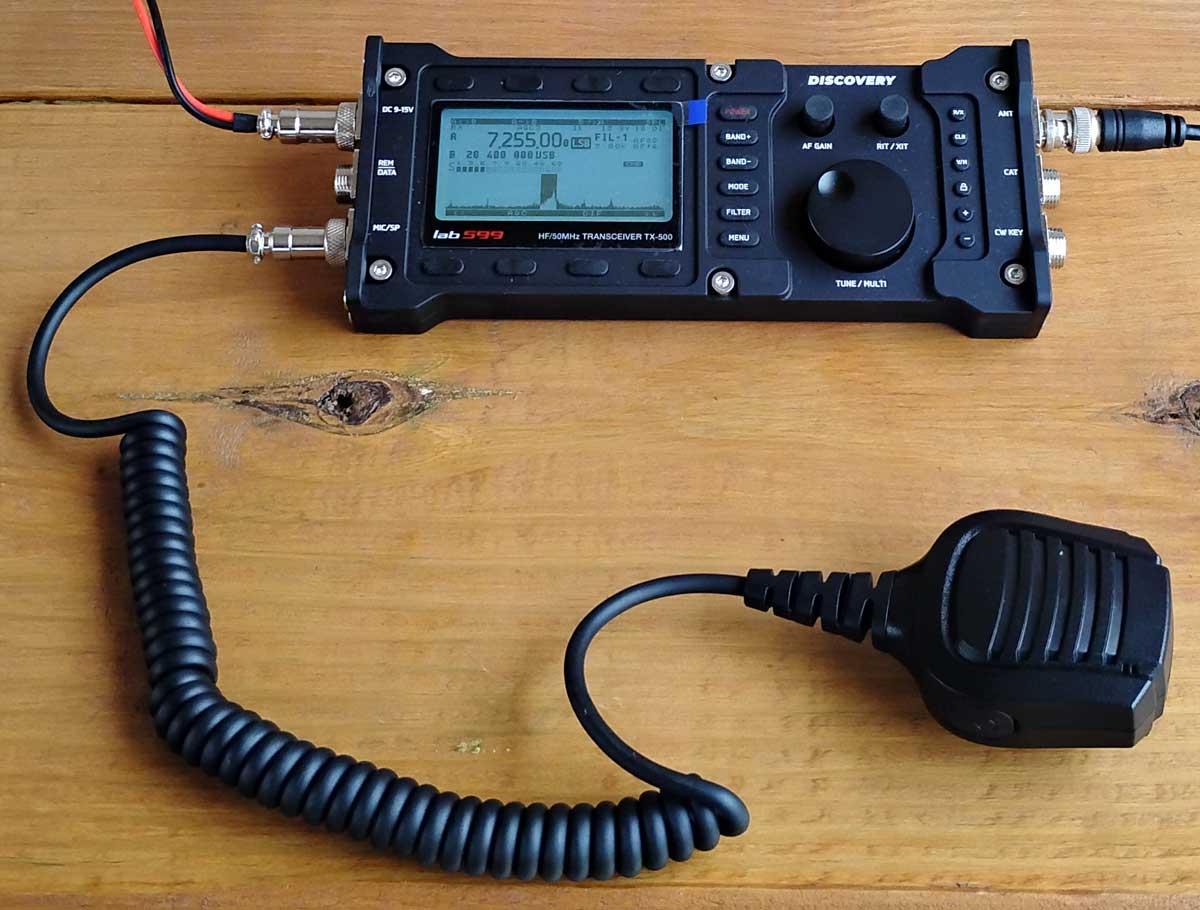
Running low power aka QRP can be a lot of fun. Overcoming the challenges of making QSOs with 5 or 10 watts (or less) is very rewarding. On one of my first QRP activations, buddy KC1FNM and I had a call from Les KL7J in Alaska which was a real treat since we were running 10w SSB that day.
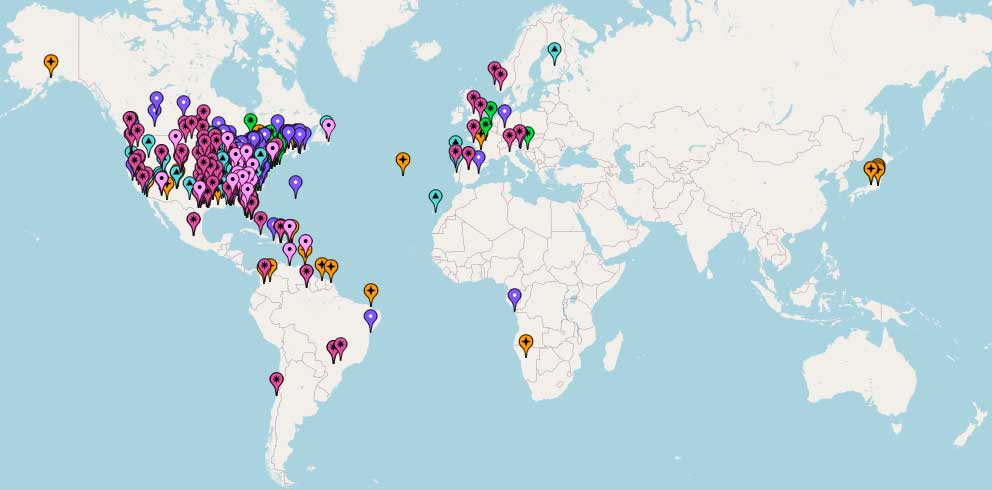
QSOs using 10 watts or less
That said, I don't recommend starting your POTA journey with a QRP radio. Get some experience learning how to make contacts with a 100-watt QRO rig. Then, turn the power down, first to 20 watts, then to 10 watts, and finally see how you do at 5 watts.
If you are having fun (success) at this point, it might be time to think about a dedicated QRP radio. They're small, lightweight, and easy to pack for a hike or trip.
I started my QRP journey with Jim KC1FNM and his Icom IC-705.
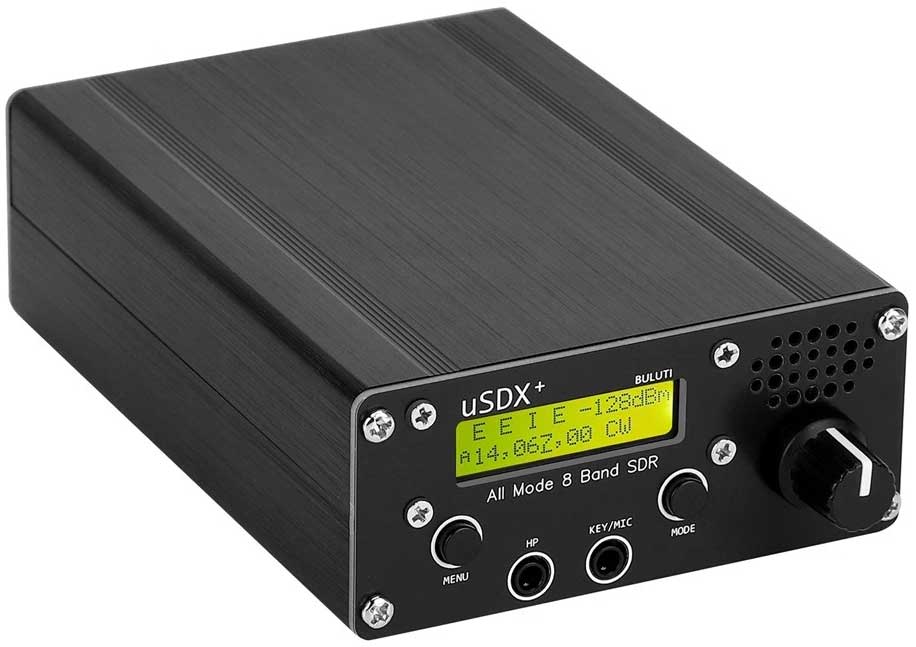
After several successful SSB activations, I decided to buy my own dedicated QRP rig: a uSDX+ clone purchased on eBay for <$100.
|
|
palm-size 5-watt uSDX+ V2 |
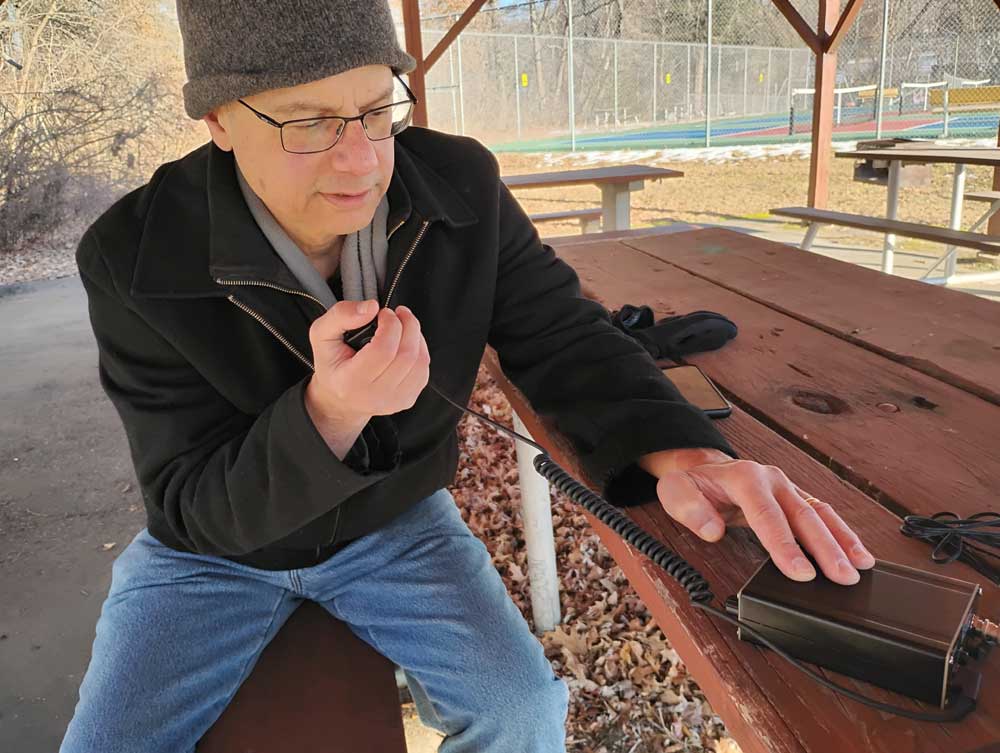
"QRP Instigator" KC1FNM
activating US-0882
These and similar rigs are all over AliExpress and Banggood, but I wasn't comfortable giving an off-shore company my contact info and credit card. Fortunately, Amazon and eBay had several options when searching for USDX+ transceivers, and I limited my shopping to "US stock" only.
Why did I choose this model?
1. Minimal investment... basically a disposable radio. I wasn't ready to plunk down $1,000+ for a dedicated QRP rig just yet...like a IC-705, FTX-1, KX2, or TX-500. That may come later, but not yet.
2. Second generation radio fixed most of the bugs in the original clones.
3. Audio in and out jacks on the front that make connections to a PC/tablet/phone for digital modes like FT8 easy, plus it has VOX for simple rig control without needing an interface. This is what nix'd the $250 Xiegu G106 which requires a $70 DE-19 interface.
TIP: CW and FT8 can help make portable QRP activations successful, so this can be important even if you're not a big fan of these modes at home running 100 watts.
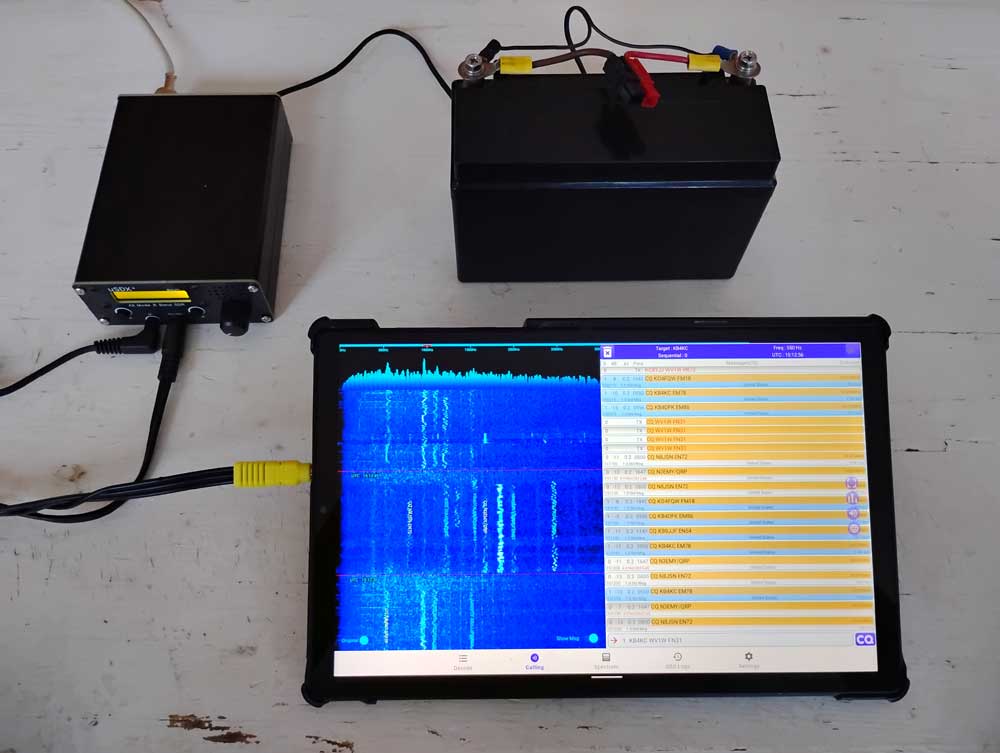
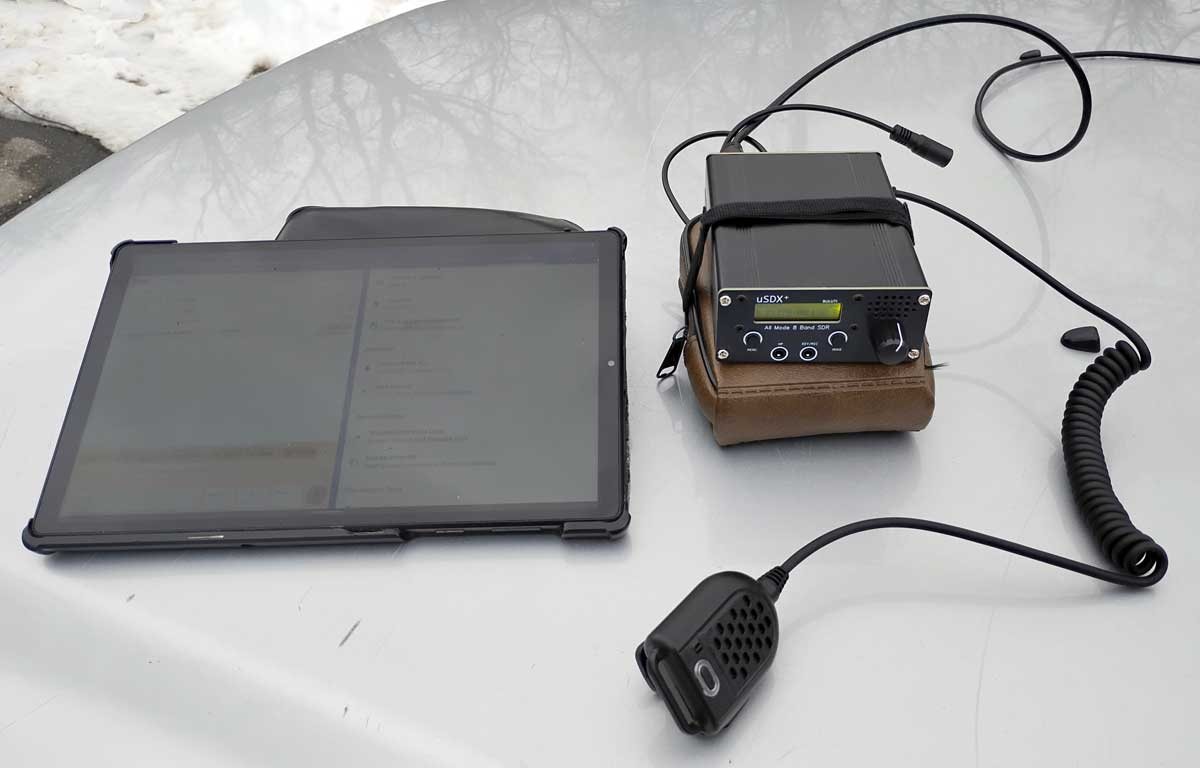
portable FT8 with uSDX+ & 10-inch Android tablet
via 2 audio cables and NO interface
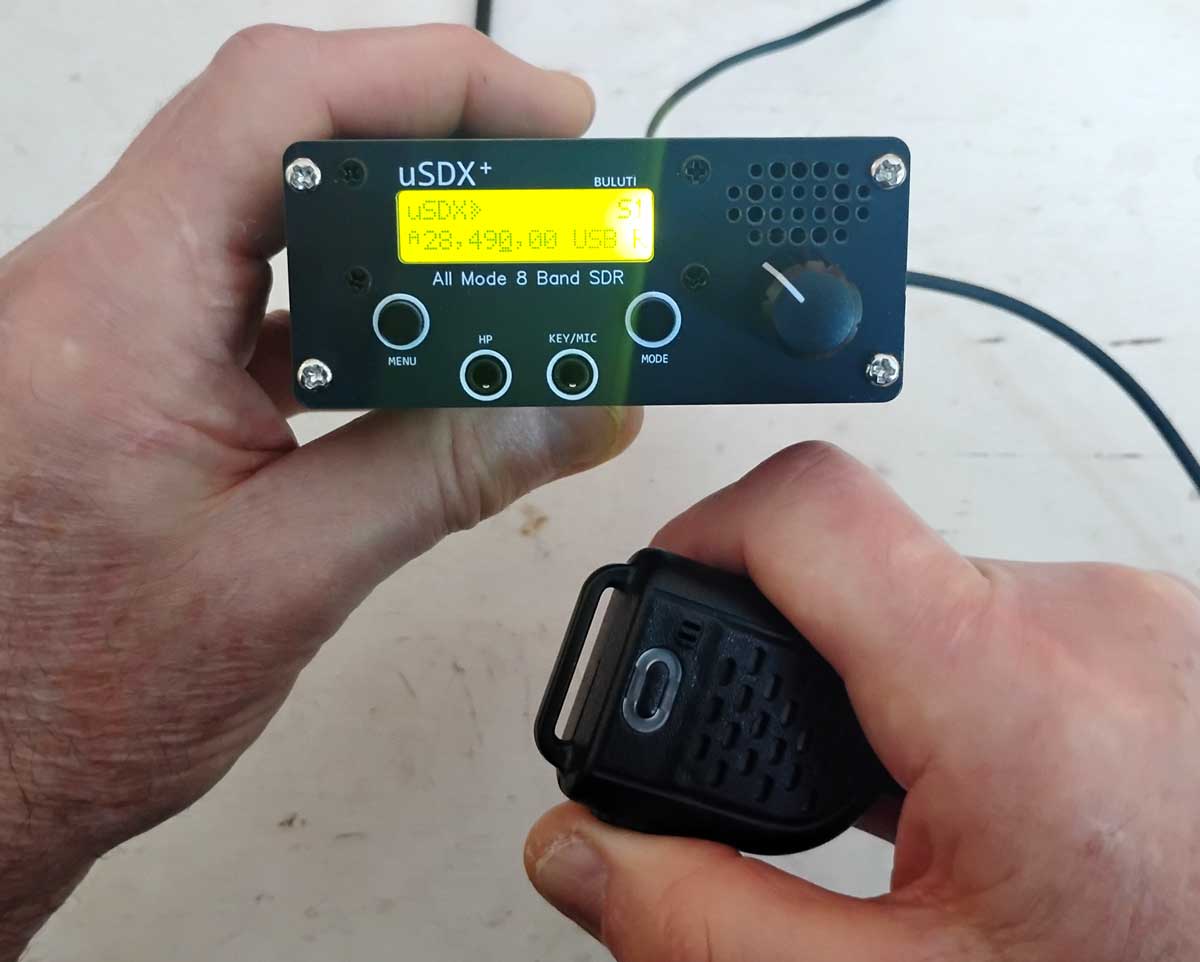
4. Takes standard Kenwood-style HT speaker/mic (like for a Baofeng/TYT/etc) which I already had.
5. Accepts a wide DC voltage range (unlike the fussy QMX that won't work with a 14v LiFePO4 battery).
6. Includes 8 popular HF ham bands in multiple phone modes plus CW.
7. Quite small and housed in a nice aluminum case.
8. Decent Tech Minds review by Matt M0DQW plus Sean M7GYV running FT8 on it.
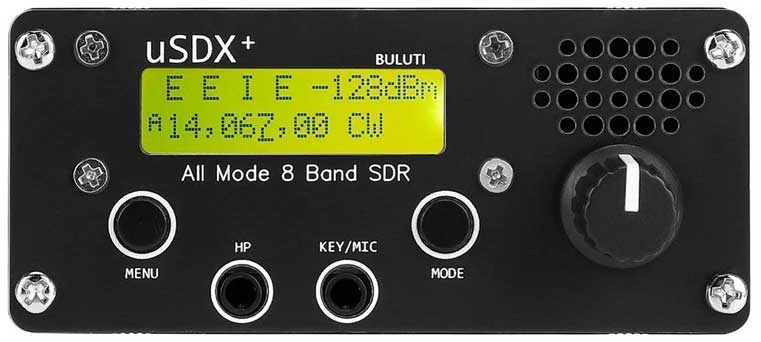
front panel
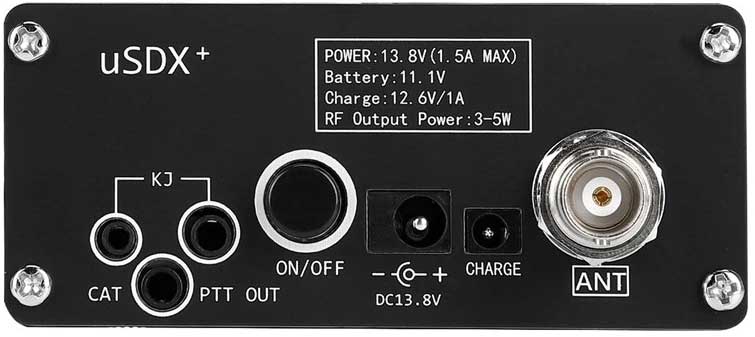
back panel
Does it work?
You bet! The first month on the air yielded about 365 QSOs including Alaska, EU, Japan (x5, long path), and Namibia. Furthest QSO ~ 10,000 miles.
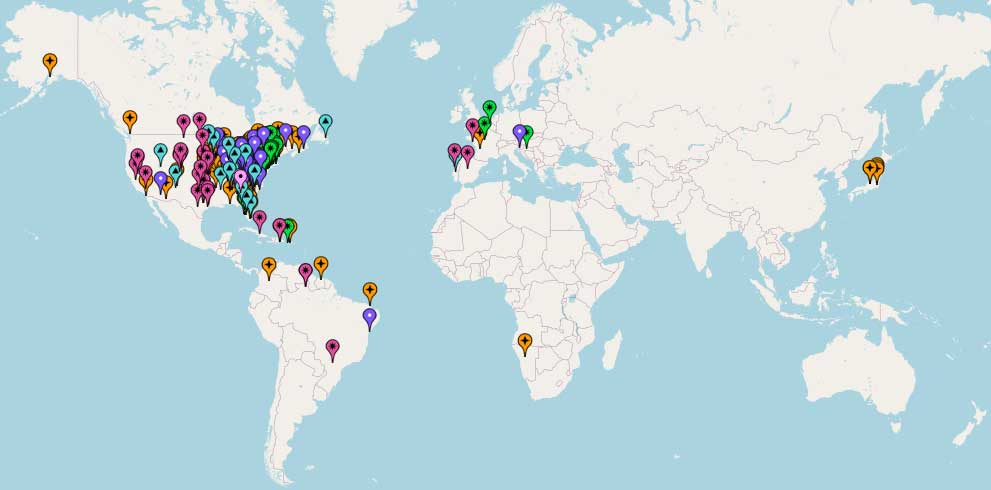
4-watt QSOs with uSDX+
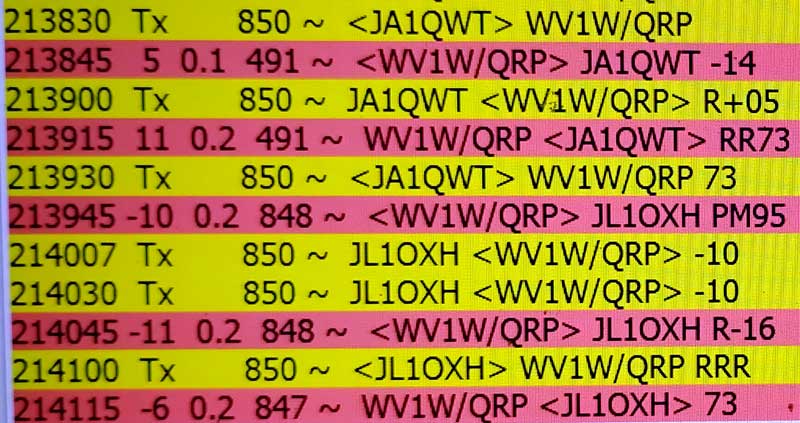
4-watt FT8 QSOs to Japan
(greyline propagation - long path)
Tips regarding budget (Chinese ) rigs:
TIP: All cheap HF radios employ wide open SDR architecture. This makes them highly susceptible to AM broadcast band interference. You may need a BCI filter if you operate in close proximity (under 3 miles) from an AM broadcast station antenna. Fortunately, K9DP has you covered.
TIP: If you buy a uSDX, think about replacing the microphone that comes with it. These are often junk and sound like it on the air. Look for a Baofeng-compatible (Kenwood type) mic with good reviews.
QRP Power Source
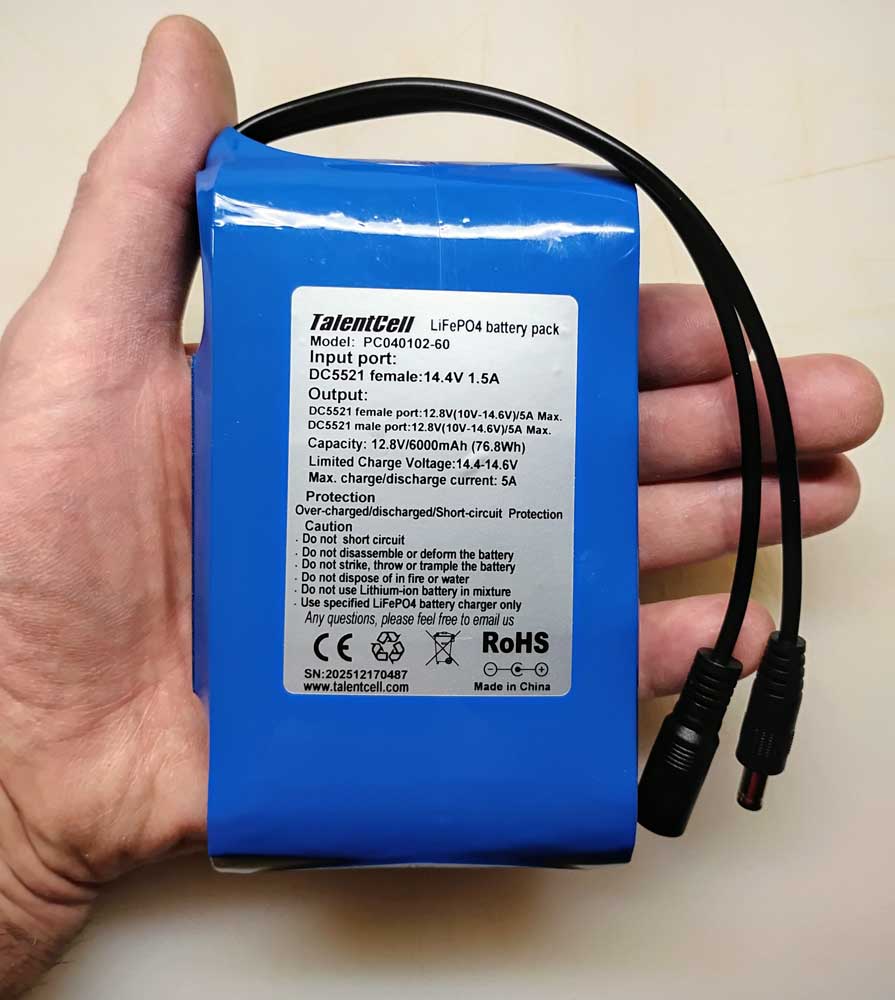
You don't need a big battery to run a QRP rig for hours. I chose a TalentCell 6 amp-hour LiFePO4 pack for several reasons:
•
allowed on international flights (currently 100 watt-hours max)
•
$35 includes charger and extra female pigtail (add your own PowerPole connectors).
• LiFePO4 is better than lithium-ion (safer, 13+ volts)
|
|
|
TalentCell Pack |
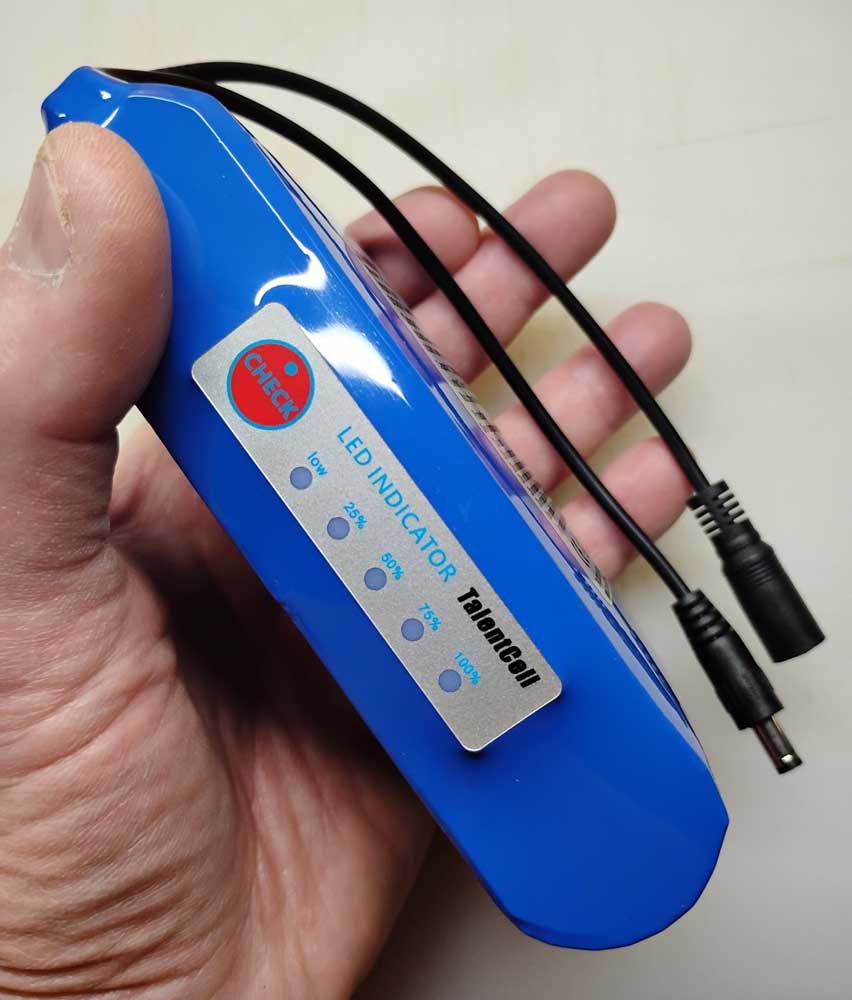
Connector Pigtails |
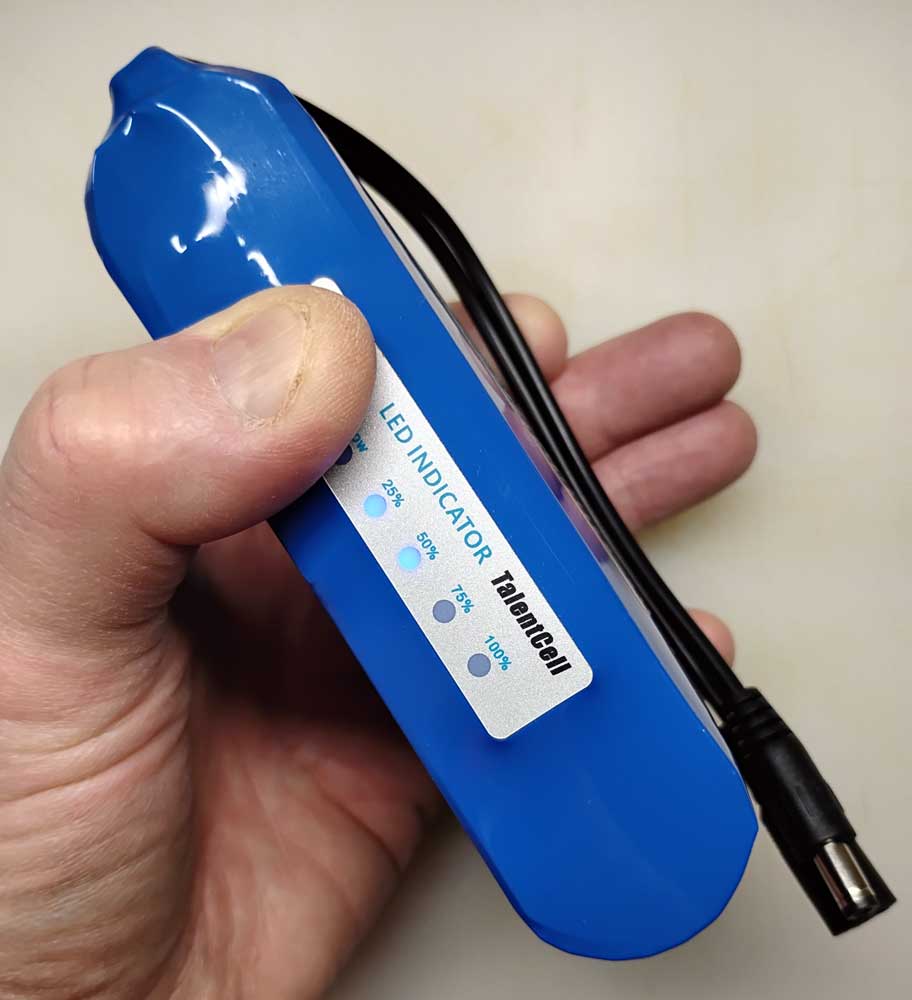
Fuel Gauge |
Battery Pack in Case under uSDX+
(old HP calculator case fit nicely)
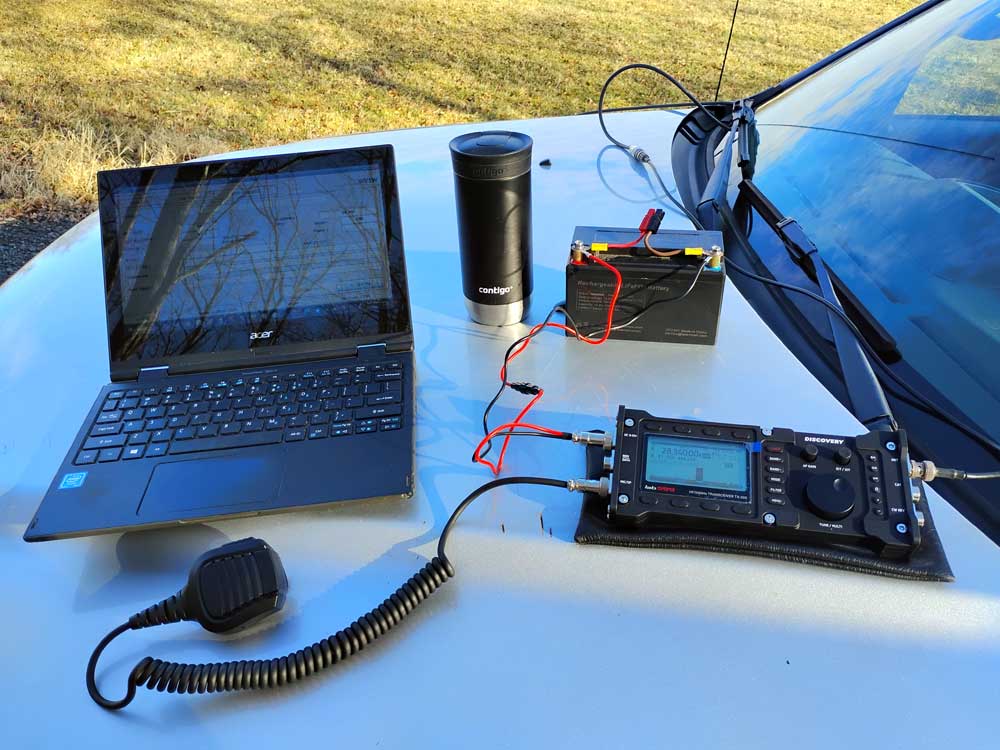
After success with the uSDX @ 4 watts, I decided to upgrade to a serious QRP rig: the Lab599 TX-500 Discovery
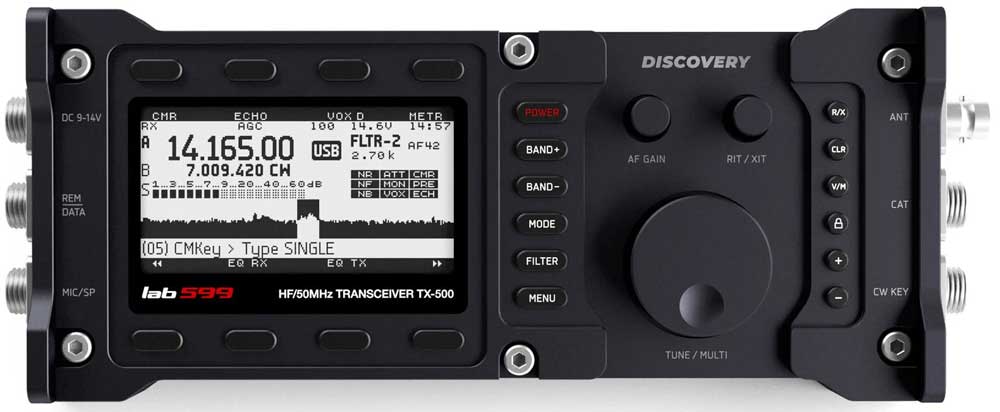
10-watt TX-500
|
|
first activations with TX-500 |
Why did I choose this model?
1. On sale ($150-off) was significantly less than an Icom IC-705 or Yaesu FTX-1.
2. Compact size ideal for travel.
3. Rugged weather-resistant design with sealed connectors.
4. 10 watts output with decent receive performance to match.
5. Simple connections for digital modes and VOX for rig TX control.
6. Designed by hams for hams = good user interface.
7. Good reviews by Julian OH8STN and Thomas K4SWL.
General tips for successful QRP activations:
TIP: Use good resonant antennas.
TIP: Be prepared to operate on multiple bands to complete activations. For example, if 15m is open, then 17m and 20m should also be available if needed.
TIP: Choose the right band for the moment e.g. 30m or 40m for dusk and dawn and 20m and higher during the day.
TIP: Be prepared to use CW or FT8 if you're not enjoying QSOs on SSB.
TIP: During less-than-ideal band conditions, pack your QRO rig or an amplifier. |